Dyeable Fabric
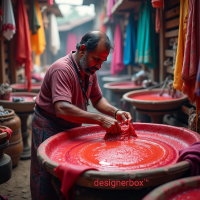
Dyeable fabric & dyeing
dyable fabrics refers to any textile that can effectively absorb and retain dye, allowing for a wide range of colors and patterns to be applied. These fabrics can be made from natural fibers, synthetic fibers, or blends, and their dyeability depends on their fiber content, structure, and the dyeing techniques used.
Natural Fibers: Fabrics made from natural fibers such as cotton, linen, silk, wool, and rayon are highly dyeable. These fibers have a natural affinity for dyes due to their chemical structure.
Synthetic Fibers: Fabrics made from synthetic fibers like polyester, nylon, and acrylic can also be dyed, but they often require specific dyes (like disperse dyes for polyester) and techniques due to their different chemical compositions.
Absorbency: Dyeable fabrics generally have good absorbent properties, allowing them to take in dye solutions effectively. Natural fibers tend to absorb dyes better than many synthetics, although advancements in dye technology have improved dyeing capabilities for synthetic fabrics.
Texture and Weave: The texture and weave of a fabric can influence dye absorption and the final appearance. For instance, tightly woven fabrics may absorb dyes less effectively than loosely woven fabrics, leading to variations in color intensity.
Pre-Treatment: Some fabrics may require pre-treatment to enhance dye absorption. This can include processes like scouring (removing impurities) or using mordants (fixatives) for natural dyes, which help the dye bond to the fibers.
Dye Types:
Acid Dyes: Used for protein fibers like silk and wool, acid dyes create vibrant colors and are known for their good wash fastness.
Reactive Dyes: Typically used for cellulose fibers like cotton, reactive dyes chemically bond with the fiber, providing bright colors and excellent colorfastness.
Disperse Dyes: Used primarily for synthetic fibers like polyester, these dyes disperse in water and adhere to the fibers, creating vivid colors.
Color Fastness: A critical aspect of dyeable fabrics is their ability to retain color after washing, exposure to sunlight, and other environmental factors. Color fastness can vary based on the dye type, fabric structure, and post-dyeing treatments
Best Dyeable Fabrics for a Boutique:
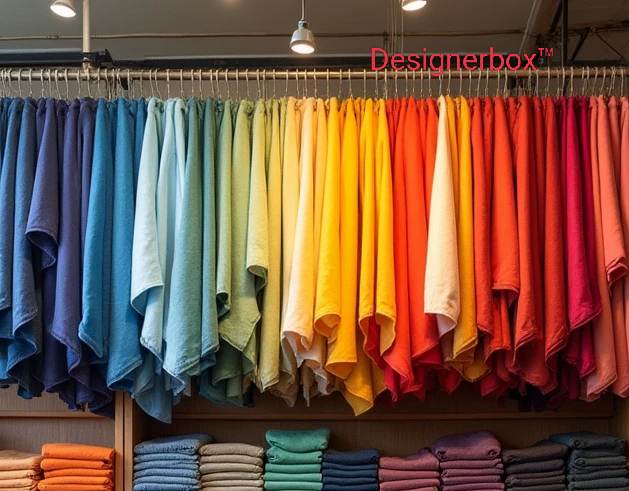
If you're looking for dyeing fabrics suitable for a boutique, you'll want to focus on high-quality, versatile materials that both take dye well and appeal to your target market. Fabrics with good dye absorption and durability can add uniqueness to boutique collections. Here are some top options of dyeable fabrics
dyeing fabrics
1. Cotton (Organic or High-Quality):
Why: Cotton is breathable, comfortable, and highly versatile. It takes dye easily, making it perfect for a wide range of clothing items like shirts, dresses, and casual wear.
Boutique appeal: Organic cotton or high-thread-count cotton gives a premium feel that customers will appreciate.
2. Silk:
Why: Silk absorbs dye beautifully and results in vibrant, luxurious colors. It’s great for high-end products like scarves, evening wear, or luxury tops.
Boutique appeal: Silk elevates the product line, adding elegance and refinement, ideal for premium clientele.
3.Linen:
Why: Linen offers a natural texture and takes dye well, although colors may appear slightly muted. It's perfect for creating breathable summer collections, such as light dresses, tunics, and skirts.
Boutique appeal: Linen has an eco-friendly, artisanal vibe, appealing to customers interested in sustainable fashion.
4. Rayon (Bamboo Rayon or Modal):
Why: Rayon is absorbent and dyes well, producing vibrant colors. Bamboo rayon or modal are excellent options for boutiques offering eco-conscious and soft fabrics.
Boutique appeal: Rayon blends are great for flowy, drapey items like boho-style dresses or loungewear. They appeal to customers who prioritize comfort and sustainabilit.
Tencel (Lyocell):
- Why: Tencel is a sustainable fabric derived from wood pulp. It dyes well, has a smooth texture, and offers a high-end alternative to cotton and rayon.
- Boutique appeal: Known for its eco-friendly manufacturing process and luxurious feel, Tencel is ideal for stylish, sustainable collections.
Wool:
- Why: Wool is a warm, durable fabric that works best with acid dyes. It’s ideal for cold-weather collections.
- Boutique appeal: Offering hand-dyed woolen items like coats, sweaters, and scarves can add an artisanal, handcrafted touch to your collection.
Hemp:
For boutique-level production, using high-quality, eco-friendly dyes can be a selling point. Natural or low-impact synthetic dyes will appeal to customers who value sustainability.
Do you have a specific theme or customer demographic in mind for your boutique collection? That can help narrow down the fabric options.
Applications of Dyeable Fabrics:
Fashion & Apparel: Dyeable fabrics are widely used in clothing, allowing for the creation of unique, custom pieces and seasonal collections.
Textile Art: Artists and designers use dyeable fabrics for creating textile art, quilts, and craft projects.
Home Décor: Curtains, upholstery, and bedding often use dyeable fabrics to introduce color and patterns into interior spaces.
Sportswear: Synthetic dyeable fabrics like polyester and nylon are popular in activewear due to their durability and ability to hold vibrant colors.
Conclusion:
Dyeable fabrics are essential in the textile industry, offering versatility and creativity in color application. Their ability to absorb and retain dyes allows for a wide range of applications, from fashion to home décor and art. Understanding the properties of different dyeable fabrics can help in choosing the right materials for various projects and achieving the desired aesthetic effects.
Your Ultimate Guide to
Dyeing Fabric for Women’s Wear
Hello, stylish souls! Mumbai’s vibrant fashion scene and rich textile
heritage make it a hotspot for all you fabric enthusiasts and designers out there. Whether you’re a
dye-hard designer or a DIY diva, knowing how to dye your fabrics just right is
a must. This guide is here to spill the secrets on the best fabrics for dyeing,
their special properties, and must-know tips for dyeing like a pro. Ready to
get colourful?
Let’s go!
Understanding Fabric Types
and Dyeability for boutique ...
Hey, future fabric artist! Before you jump into the exciting world of
dyeing, let’s
chat about which fabrics play nice with dyes and how
they act:
1. Cotton: Cotton is one of the most widely used and versatile natural fibers in the world, prized for its softness, breathability, and durability. It comes from the seed hair of cotton plants, and its absorbent properties make it ideal for dyeing and finishing processes. Soft & Comfortable Cotton is known for its soft feel, making it comfortable to wear, even for sensitive skin.
Cotton in Dyeing:
Dye Absorption: Cotton is highly absorbent, which allows it to take dye very well. Its fibers are hydrophilic (water-attracting), so they easily soak in water-based dyes. This results in bright, vibrant, and long-lasting colors when dyed properly.
Reactive Dyes: Cotton is typically dyed using reactive dyes, which chemically bond with the cellulose fibers of the cotton. This ensures strong color fastness (resistance to fading) and durability. These dyes can create vibrant and rich shades that don’t wash out easily.
Natural Dyes: Cotton also responds well to natural dyes like indigo, madder, or turmeric. In eco-friendly dyeing practices, cotton fabrics are often pre-treated with a mordant, such as alum, to help the natural dyes bond to the fabric and increase color retention.
Resist Dyeing Techniques:
- Tie-Dye: Cotton is an excellent fabric for tie-dyeing, where sections of the fabric are tied or bound before being dyed, resulting in colorful, patterned designs.
- Batik: Wax is applied to cotton in intricate patterns, and then the fabric is dyed. The areas covered in wax resist the dye, creating beautiful designs. Cotton's absorbency makes it ideal for this method.
- Shibori: A traditional Japanese resist-dyeing technique where cotton is folded, twisted, or bound before being dyed, creating geometric patterns.
Color Fastness: To ensure that dyed cotton remains vibrant over time, various finishing processes are applied. Cotton is usually treated with a fixative or mordant to make sure the colors stay vibrant after multiple washes. With proper dyeing and finishing, cotton’s colors can remain vibrant for a long time.
Ideal Applications in Dyeing:
Fashion & Apparel: Cotton is used extensively for dyed clothing like T-shirts, jeans, dresses, and casual wear. Its ability to absorb dye well makes it perfect for creating a wide range of colorful garments.
Home Textiles: Dyed cotton is used for bed linens, towels, tablecloths, and curtains. Its durability ensures that even with repeated washing, the colors stay fresh and vibrant.
Artisanal & Traditional Fabrics: Cotton’s responsiveness to various dyeing techniques makes it ideal for hand-dyed textiles in traditional and artisanal fashion, such as Indian block printing or African wax prints.
In summary, cotton is an incredibly dye-friendly fabric that responds well to both natural and synthetic dyes. Its ability to absorb color easily, hold intricate dye patterns, and maintain vibrancy over time makes it one of the most popular fabrics in the world for dyeing applications.
This fabric’s a classic for a reason! Cotton absorbs
dye like a dream, giving you bright, consistent colours. Variations like main
cotton, sub mull cotton, cambric, poplin, muslin, khadi, and denim each offer
unique textures and dyeing 1. characteristics.
It’s opaque, so no lining required.
Mulmul Cotton in Dyeing:
Dye Absorption: Mulmul cotton, being a natural fiber, absorbs dye well. The loose weave allows the dye to penetrate easily, resulting in vibrant and deep colors. However, because of its light texture, it may take slightly longer to achieve saturation in some dyeing processes.
Suitability for Natural & Synthetic Dyes: Mulmul works well with both natural and synthetic dyes. Natural dyes like indigo, turmeric, or henna are often used for eco-friendly, artisanal textiles.
Color Fastness: Though it absorbs dye well, special care must be taken to fix the dye properly so the colors don’t fade quickly due to the delicate nature of the fabric. Mordants (fixing agents) are often used in traditional dyeing to improve color retention.
Hand-Dyeing Techniques:
- Tie-Dye: Mulmul’s lightweight structure makes it ideal for tie-dye techniques, where fabric is tied and dyed in different patterns. The loose weave allows for creative color diffusion, resulting in vibrant and artistic designs.
- Batik: Mulmul cotton is also used in batik dyeing, where wax is applied to the fabric before dyeing to create intricate patterns.
- Block Printing: Traditional block printing on mulmul is popular, especially in ethnic wear like sarees and scarves. The fabric absorbs the dye well and retains the hand-printed designs beautifully.
Ideal Applications in Dyeing:
Ethnic Wear: Mulmul cotton is popular in ethnic wear like sarees, dupattas, and kurtas because of its lightweight, breathable nature and its ability to hold rich, vibrant colors.
Summer Dresses & Scarves: Since it’s airy and comfortable, it’s commonly used for dyed summer dresses, scarves, and other flowy garments.
Home Décor: Dyed mulmul is often used for soft furnishings like curtains, as its sheer and delicate look adds an elegant touch to interiors.
In summary, mulmul cotton is an ideal fabric for dyeing, especially in traditional and artisanal techniques. Its lightweight, soft texture allows for vivid dye penetration, resulting in beautifully colored and comfortable garments that are perfect for warm weather.
Mul mul fabric (also known as muslin) is a finely woven, soft, and lightweight cotton fabric, often characterized by its sheer texture and breathability. Originating from India, mulmul has been used for centuries due to its comfort and versatility that by lots of client using lining also this fabrics. Mulmul fabric is commonly used for making sarees, kurtas, dupattas, baby clothes, scarves, and even home décor items like curtains.Mulmul is known for its extremely soft, airy, and feather-light texture, making it highly comfortable for warm climates.Traditionally associated with Indian attire, it is often used for handloom sarees and fine ethnic wear
Cambric Cotton in Dyeing:
Dye Absorption: Cambric cotton, like most cotton fabrics, absorbs dye well due to its natural fibers, resulting in vibrant and consistent colors. Its tightly woven structure ensures that the dye penetrates evenly, producing a uniform look.
Color Fastness: High-quality cambric is often treated or mercerized, improving its ability to hold dye and resist fading. This makes it ideal for garments and linens that need to maintain their color after repeated washing.
Natural Dyes: Cambric can be easily dyed with both natural and synthetic dyes. Natural dyes like indigo, madder, or turmeric are often used in traditional textile arts, adding to the fabric’s appeal for eco-conscious consumers.
Tie-Dye/Batik: Due to its tight weave, cambric cotton is often used in traditional dyeing techniques like tie-dye and batik. It holds intricate patterns well and allows for sharp, detailed designs.
Ideal Applications in Dyeing:
Textile Arts: Cambric cotton is favored in textile arts due to its absorbency and ability to hold intricate dye patterns.
Ethnic & Modern Wear: Because it takes dye well, cambric cotton is a popular choice for both ethnic garments like kurtas and modern fashion pieces.
Cambric cotton’s fine texture and dye-friendly properties make it a versatile and stylish choice for various applications.
poplin :
voile :
khadi :
denim:
Rayon: Vibrant and versatile, rayon dyes easily and gives you bright, bold colours. It can be a bit see-through, so lighter rayons might need some lining
2. Silk: Fancy and fabulous, silk takes dye like a pro,
offering rich, deep colours. Depending on its weave and weight, it can be
either translucent or opaque. Lighter silks might need some modesty lining.
Variations include pure silk, raw silk, gazzi/gajji silk, opada/uppada silk, 1. satin silk, crepe,
organza, chiffon, munga silk, tassel silk, and muslin silk.pure silk :
synthetic silk(pure viscous silk) :
dyipan :
Viscose Dupion Silk (or Viscose Dupion) is a fabric blend that combines the luxurious texture of silk with the affordability and drape of viscose (a semi-synthetic fiber made from cellulose). Dupion silk, known for its slightly rough texture and unique slubs (irregularities), is often blended with viscose to enhance its drape, affordability, and dyeability while retaining a silk-like sheen.
Key Features of Viscose Dupion Silk:
Textured Surface: Dupion silk is characterized by its uneven texture with natural slubs, giving it a slightly rough, crisp feel. The addition of viscose enhances its softness and fluidity without losing the distinct slubs.
Sheen & Elegance: The fabric retains the characteristic sheen of silk, but viscose adds more flexibility and flow to the fabric, making it more drapey and less stiff compared to pure Dupion silk.
Breathability & Absorbency: Viscose is breathable like cotton and absorbs moisture well, while silk brings in a luxurious finish. This makes the blend comfortable and ideal for formal wear and special occasion clothing.
Durability: The combination of viscose and silk creates a durable fabric that is more resistant to wear and tear than pure silk, while still looking elegant.
Viscose Dupion Silk in Dyeing:
Dye Absorption: Viscose Dupion Silk absorbs dyes quite well, as both viscose and silk are hydrophilic (water-attracting) fibers. This results in vibrant, rich colors, as the fabric takes on the dye evenly.
Vibrancy: The silk component of the fabric enhances the brightness and richness of the colors, giving the fabric a lustrous, elegant finish after dyeing. The viscose helps to hold the dye evenly across the fabric.
Use of Acid & Reactive Dyes:
- Acid Dyes: Since silk is a protein fiber, it works well with acid dyes. These dyes bond well with the silk component of the fabric, resulting in deep, rich colors. Acid dyes can produce sharp, vibrant hues that are colorfast.
- Reactive Dyes: Viscose, being a cellulose fiber like cotton, works well with reactive dyes. These dyes form a chemical bond with the viscose, producing long-lasting, bright colors.
Color Fastness: Viscose Dupion Silk generally shows good color fastness when dyed properly. However, care must be taken during the washing and post-dyeing treatment to ensure that the colors do not fade or run, especially because silk is sensitive to harsh chemicals and detergents.
Tie-Dye & Shibori: These techniques can also be applied to viscose Dupion Silk, as the fabric absorbs dyes well and holds intricate patterns. The uneven texture of Dupion enhances the effect, creating visually interesting variations in color depth and pattern.
Batik: Viscose Dupion Silk can be used in the batik dyeing process, where wax is applied to resist dye in specific areas. The viscose content helps the fabric hold dye in non-waxed areas, while the silk adds a sheen to the dyed patterns.
Natural Dyes: Viscose Dupion Silk can also be dyed using natural dyes like indigo, henna, or turmeric. Pre-treating the fabric with a mordant (like alum) helps improve the absorption and longevity of the natural dyes, especially for the viscose part of the blend.
Ideal Applications in Dyeing:
Ethnic & Formal Wear: Viscose Dupion Silk is commonly used for dyed sarees, lehengas, and sherwanis, where rich, vibrant colors are desired. The blend offers the luxurious appearance of silk while remaining more affordable.
Scarves & Stoles: The fabric is ideal for scarves and stoles due to its fluid drape and ability to hold rich, deep colors after dyeing.
Home Furnishings: It can also be used for upholstery, cushion covers, and drapes, where vibrant colors and a textured surface can add elegance to home décor.
Artisanal Dyeing Techniques: It’s perfect for techniques like block printing, hand-painting, and resist-dyeing due to its ability to hold intricate patterns and vivid hues.
In conclusion, Viscose Dupion Silk is an excellent fabric for dyeing, offering a luxurious feel with an enhanced ability to absorb vibrant colors. Whether using synthetic dyes or natural ones, the blend of viscose and silk results in beautiful, elegant fabric with a unique textured surface that’s perfect for both ethnic and formal wear.
crepe :
georgette :
dola silk :
gazzi silk :
satin :
3. Linen: This breezy fabric dyes well but can have a quirky,
uneven finish. Usually opaque, linen doesn’t need lining.
4. net :
lace net :
net embroidery :
Polyester and Blends: These synthetics are a bit
more high-maintenance, needing special dyes and higher temps. They’re typically
opaque, so lining isn’t 1. necessary.
Variations include viscose type, slub, pure viscose, georgette, rayon, organza,
Chinon, chiffon, dupian, crepe, gazzi, dola, modal, and tissue satin.
Transparency and Lining
Needs
When choosing fabric for dyeing, don’t forget to check its
transparency. Lightweight lovelies like chiffon, georgette, and some silks can
be a bit sheer, so they might need a lining or an underlayer, especially for
garments like dresses and blouses. Heavier fabrics like denim, canvas, and some
cosy knits are typically opaque, so no lining required. Let the dyeing fun
begin!
Using a Dye Colour
dresses and blouses. Heavier fabrics like denim, canvas, and some
cosy knits are typically opaque, so no lining required. Let the dyeing fun
begin!
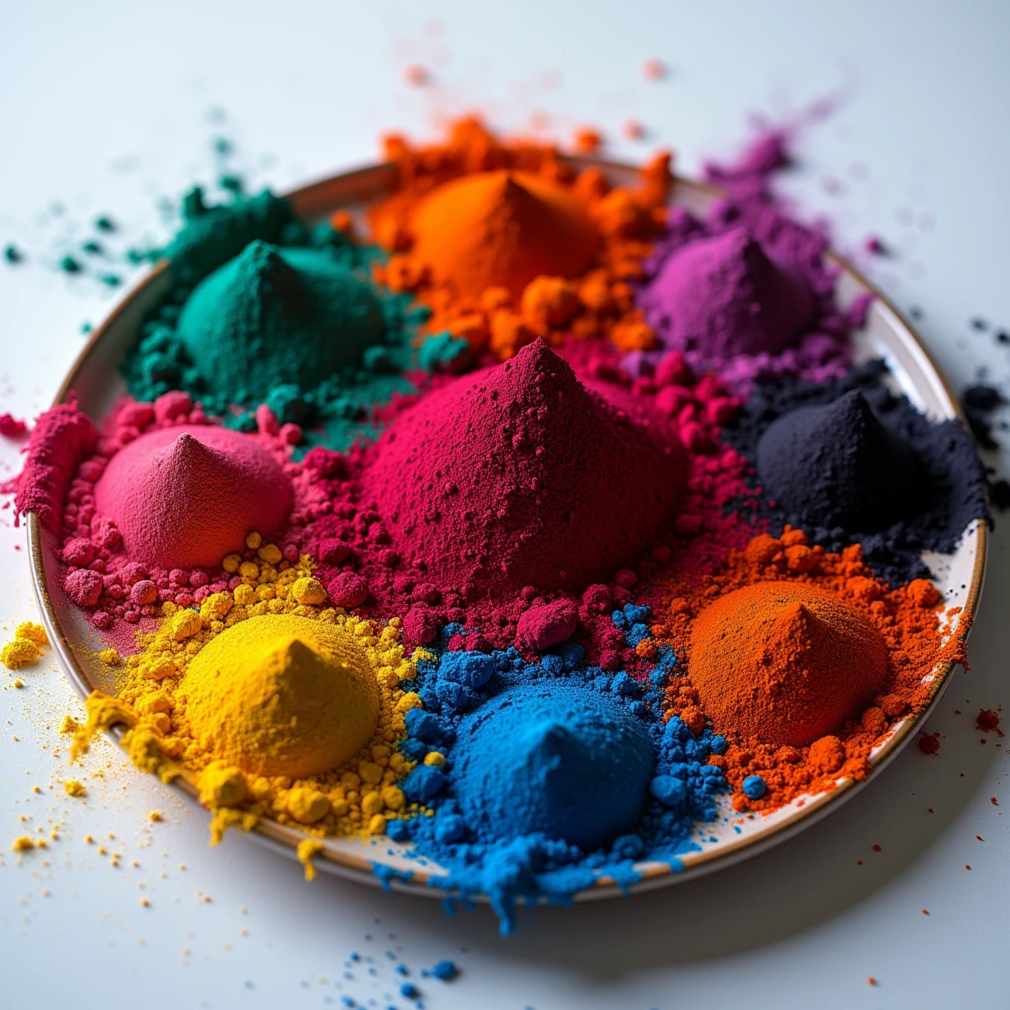
Using a Dye Colour Book
Guide
Think of a dye colour book guide as your secret
weapon. It’s packed with a spectrum of dye colours and how they turn out on
various fabrics. Here’s how to use it like a pro:
Colour Selection: Pick a colour that makes your design dreams come
true. Remember, the fabric’s base colour 1. will change the
final hue, so plan accordingly.
2. Testing: Always test your dye on a small fabric swatch first.
It’s like a sneak peek to see how the fabric reacts and if you need to tweak
the dye mix.
Matching Swatches: For spot-on results, grab a fabric swatch in a
similar colour to compare with your dyed sample. This way, you’ll nail the
perfect
1.
09 Oct 2024
dyeable fabric
Comments:0
No comments
Leave a reply
Latest Seller Blogs
20 Apr
In the hidden lanes of Mu...
23 Mar
The fashion industry is e...
23 Mar
Starting a fashion brand ...
20 Mar
Finding the right factory...
18 Mar
Finding a skilled hand em...
10 Feb
In the fashion and garmen...
30 Jan
Verified Connections by F...
30 Jan
In the world of fashion a...
29 Jan
Looking for reliable info...